Hyundai Tucson Price in Nepal 2026

Here you will find and get information such as Hyundai Tucson price in Nepal, specifications, ...

Tucson main image

Price

रु 1,07,96,000
Calculate EMI monthly/yearly

Hyundai Tucson Key Specifications in Nepal

Safety Rating 5 / 5
Launch Year 2021
Engine Type ice
Seating Capacity 5 Seater
Displacement 1999 cc
Max Power 156 PS @ 6200 rpm
Max Torque 19.6 kg.m @ 4500 rpm
Transmission 6-Speed MT/AT & 8-Speed
Ground Clearance 181 mm
Mileage 13kmpl

Hyundai Tucson All Variants & Prices in Nepal

Variant Price (रु)
GL
रु 1,07,96,000 Calculate EMI
GLX
रु 1,37,96,000 Calculate EMI
GLX+
रु 1,44,96,000 Calculate EMI
GLX
रु 1,60,96,000 Calculate EMI

About Hyundai Tucson in Nepal

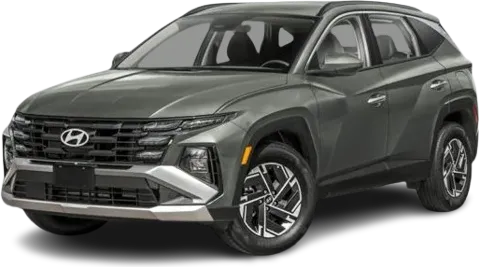
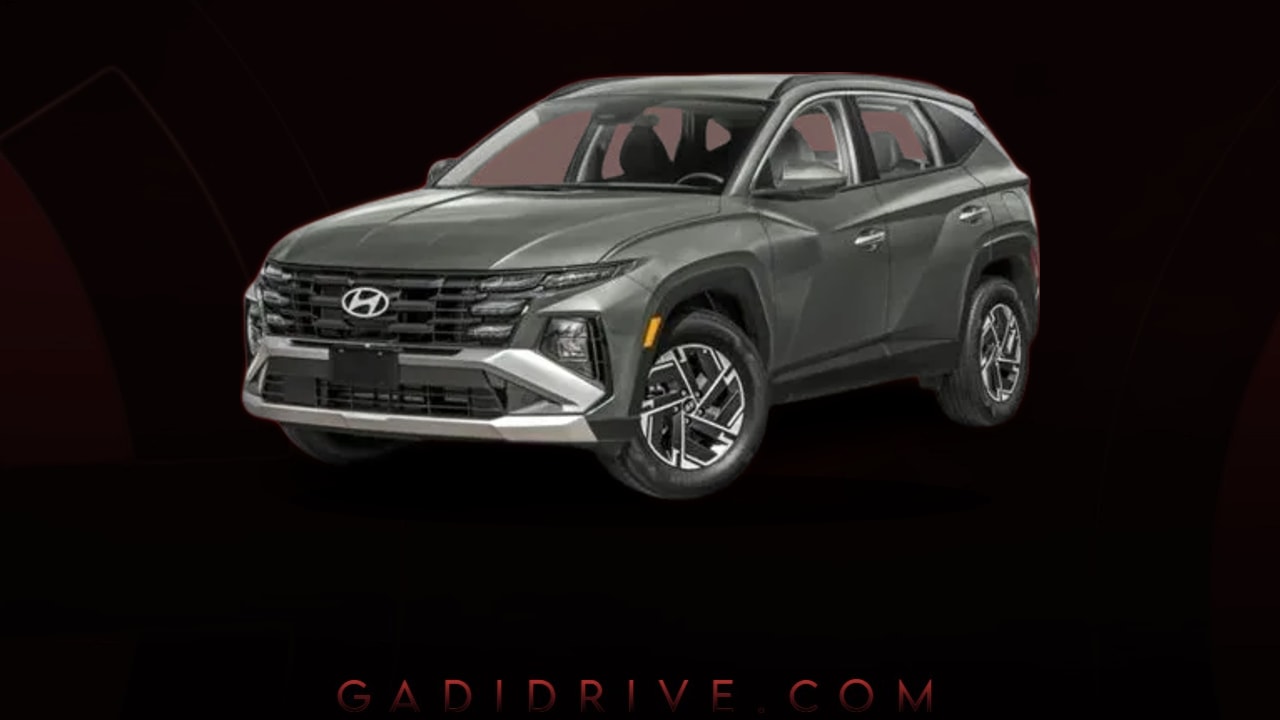
In Nepal, the Hyundai Tucson is recognized as a premium flagship SUV, officially sold by Laxmi Intercontinental. Its "Sensuous Sportiness" design language gives it an incredibly futuristic and bold presence on the road. Features like the Parametric Hidden Lights and sharp body lines make it stand out from other SUVs.

This vehicle is highly suitable for Nepal's diverse terrains, especially thanks to its HTRAC All-Wheel Drive system. Inside, premium soft-touch materials, a panoramic sunroof, and dual-zone climate control ensure a comfortable journey.

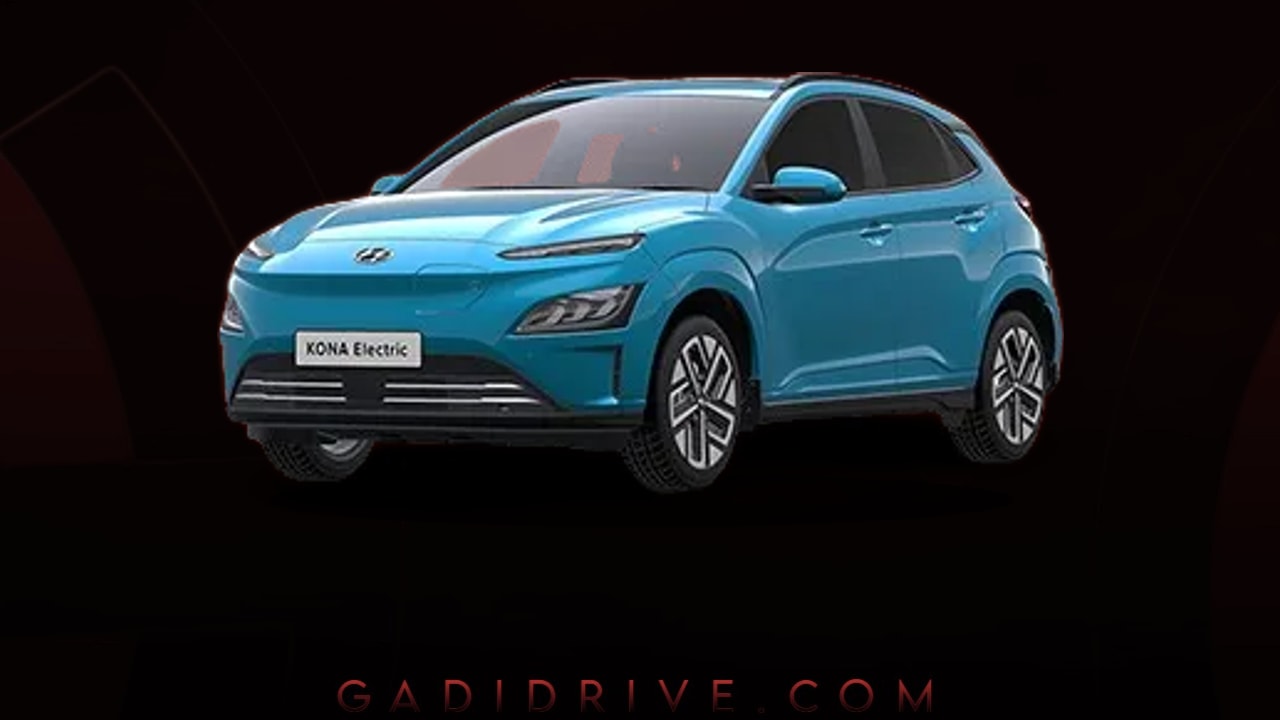
Hyundai Tucson Full Specifications & Features

Performance and Engine

1. Engine Displacement: 1,999 cc (Petrol) / 1,598 cc (Hybrid)

The Hyundai Tucson utilizes the Smartstream engine family to deliver a balance of efficiency and punch. The 2.0L Nu Petrol engine is a naturally aspirated unit designed for smooth city commuting, while the 1.6L Turbo-GDI variant serves as the heart of the Hybrid (HEV) and Plug-in Hybrid (PHEV) models. These engines are engineered with friction-reduction technologies to maximize thermal efficiency.
2. Max Power: 156 PS @ 6,200 rpm (Petrol) / 231 PS (Combined Hybrid)

Power delivery in the Tucson is linear and predictable. The base 2.0L petrol engine provides 156 PS, making it adequate for highway cruising. For enthusiasts seeking more urgency, the 1.6L Hybrid powertrain combines an electric motor with a turbo engine to push a total system output of 231 PS, providing significantly better overtaking capability and high-speed stability.

3. Max Torque: 192 Nm @ 4,500 rpm (Petrol) / 350 Nm (Hybrid System)

Torque is a standout feature of the Tucson’s modern powertrains. While the naturally aspirated petrol engine offers a modest 192 Nm, the Hybrid models leverage the instant torque of the electric motor to provide a combined 350 Nm. This allows for effortless pulling power from a standstill, particularly useful when the vehicle is fully loaded with passengers or cargo.

4. No. of Cylinders: 4 Cylinders Inline

All current Tucson engine variants utilize an inline 4-cylinder configuration. This setup is chosen for its compact packaging and inherent balance, which reduces vibrations compared to three-cylinder alternatives. The engines feature an aluminum block and head composition to keep the front-end weight low, aiding in sharper turn-in and better weight distribution.

5. Valve Train: DOHC with CVVD

The Tucson features a Dual Overhead Camshaft (DOHC) setup with 16 valves. A proprietary highlight is Hyundai’s Continuously Variable Valve Duration (CVVD) technology. Unlike standard variable timing, CVVD regulates the duration a valve remains open, optimizing performance and fuel efficiency simultaneously by adjusting to driving conditions in real-time.

6. Fuel System: GDI (Gasoline Direct Injection)

The high-performance variants utilize Gasoline Direct Injection (GDI), where fuel is sprayed directly into the combustion chamber at high pressure. This results in a more complete burn, higher power output, and lower emissions. Some markets also receive the MPFI (Multi-Point Fuel Injection) system on the 2.0L engine for improved long-term reliability and lower maintenance costs.

7. 0-100 km/h Time: 7.9 - 10.4 Seconds

The Tucson’s acceleration varies significantly by powertrain. The 1.6T Hybrid is the sprinter of the group, hitting 100 km/h in approximately 7.9 seconds. The standard 2.0L naturally aspirated version is more sedate, completing the same sprint in roughly 10.4 seconds, prioritizing a relaxed driving experience over raw speed.

8. Top Speed: 204 km/h

Aerodynamically optimized with a drag-coefficient-reducing body shape, the Tucson can reach a top speed of 204 km/h in its most powerful configurations. The vehicle remains remarkably composed at high speeds thanks to its wide track and sophisticated suspension tuning, though electronic limiters are often in place for safety and tire longevity.

Transmission and Drivetrain

1. Gearbox Type: 8-Speed Automatic / 6-Speed AT (Hybrid)

Hyundai equips the internal combustion Tucson with a smooth-shifting 8-speed automatic transmission featuring SHIFTRONIC® manual shift mode. The Hybrid models utilize a specialized 6-speed automatic that integrates the electric motor, ensuring seamless transitions between gas and electric power without the "rubber-band" feel common in CVTs.

2. Drive Type: FWD / HTRAC AWD

The Tucson comes standard as Front-Wheel Drive (FWD), but Hyundai’s HTRAC All-Wheel Drive (AWD) is a popular upgrade. HTRAC is an intelligent system that actively monitors speed and road conditions to distribute torque between the front and rear axles, providing enhanced traction on slippery surfaces and improved cornering stability.

3. Clutch Type: Torque Converter / Wet Dual Clutch (select markets)

Most global models use a traditional torque converter for its durability and smoothness in stop-and-go traffic. However, specific N-Line or European diesel variants may feature a 7-speed or 8-speed Wet Dual Clutch Transmission (DCT), which offers lightning-fast gear changes and improved mechanical efficiency for a sportier feel.

Dimensions and Weight

1. Length: 4,640 mm

The current generation Tucson has grown significantly, moving into the long-wheelbase category for many markets. At 4,640 mm, it sits perfectly in the mid-size SUV segment, offering a commanding road presence while remaining manageable for urban parking and tight maneuvers.

2. Width: 1,865 mm

With a width of 1,865 mm, the Tucson offers one of the widest cabins in its class. This translates to excellent shoulder room for three adults in the rear and contributes to a more planted stance during high-speed cornering, reducing body roll significantly.

3. Height: 1,665 mm

The 1,665 mm height (including roof rails) ensures ample headroom even for tall occupants. The roofline is designed to maximize interior volume without creating a high center of gravity, maintaining a sleek, sporty silhouette that avoids the "boxy" look of traditional SUVs.

4. Wheelbase: 2,755 mm

The 2,755 mm wheelbase is a key factor in the Tucson's class-leading rear legroom. By pushing the wheels to the corners, Hyundai has maximized the "living space" inside the cabin while also improving the approach and departure angles for light off-road duties.

5. Ground Clearance: 181 mm

Offering 181 mm of unladen ground clearance, the Tucson is well-equipped to handle broken tarmac, high speed-breakers, and light trails. While not a dedicated rock-crawler, this clearance provides peace of mind during monsoon floods or trips to rural locations.

6. Kerb Weight: 1,542 - 1,889 kg

Weight varies based on the powertrain and features. The base petrol FWD model is the lightest at approximately 1,542 kg, while the Plug-in Hybrid AWD version, carrying a heavy battery pack and additional motor, can reach nearly 1.9 tons. The chassis is reinforced with high-strength steel to manage this weight safely.

7. Turning Radius: 5.9 Meters

Despite its increased length, the Tucson maintains a respectable turning radius of 5.9 meters (11.8m circle). This is achieved through a rack-and-pinion steering system with motor-driven power assistance, allowing for easy U-turns in standard city lanes

Capacities

1. Boot Space: 540 - 620 Litres

The Tucson offers a highly versatile cargo area. The standard petrol model provides up to 620 litres of space with the seats up. Hybrid models have slightly less (approx. 540-580L) due to battery placement, but the 60:40 split-folding rear seats allow the volume to expand to nearly 1,800 litres.

2. Fuel Tank Capacity: 54 Litres

The 54-litre fuel tank provides a substantial driving range, particularly in the Hybrid variants where it can exceed 800-900 km on a single fill. The tank is positioned low and centrally under the rear seat to optimize the vehicle's center of gravity.

3. Seating Capacity: 5 Persons

Designed as a strict 5-seater, the Tucson prioritizes passenger comfort over seat count. The rear bench is wide enough for three adults, featuring adjustable headrests and a fold-down center armrest with cupholders for 4-passenger luxury configurations.

Safety and Security

1. Airbag Count: 6 Airbags Standard

Safety is a paramount pillar for the Tucson, which comes standard with 6 airbags: dual front, front side-impact, and side-curtain airbags that cover both rows. Higher trims in some regions include a 7th "center" airbag between the driver and passenger to prevent head-to-head contact during side impacts.

2. ABS with EBD: Standard

The Anti-lock Braking System (ABS) prevents wheel lock-up during emergency braking, while Electronic Brakeforce Distribution (EBD) ensures that braking pressure is distributed to the wheels with the most grip. Together, they significantly reduce stopping distances on wet or uneven surfaces.

3. Electronic Stability Control (ESC): Standard

ESC is the Tucson's "guardian angel" during high-speed maneuvers. It constantly monitors steering input versus actual vehicle direction. If it detects a skid or loss of control, it automatically applies brakes to individual wheels and reduces engine power to help steer the vehicle back on track.

4. Hill Start Assist & Descent Control: Standard

Hill-Start Assist Control (HAC) prevents the vehicle from rolling backward when starting on an incline by holding brake pressure for two seconds. Downhill Brake Control (DBC) manages the brakes automatically during steep descents, allowing the driver to focus solely on steering.

5. ISOFIX: Standard (2 Mounts)

For families, the Tucson provides two ISOFIX child seat anchor points on the outer rear seats. These rigid mounts allow for the secure and easy installation of compatible child seats, meeting the highest international safety standards for child occupant protection.

6. NCAP Safety Rating: 5 Stars (Euro NCAP / Bharat NCAP)

The Hyundai Tucson has earned a prestigious 5-star rating from both Euro NCAP and Bharat NCAP. It scored exceptionally well in Adult Occupant Protection (over 85%) and Child Occupant Protection, thanks to its robust chassis and advanced ADAS (Advanced Driver Assistance Systems) suite.

Chassis, Suspension & Brakes

1. Front Suspension: MacPherson Strut

The front end utilizes a MacPherson strut suspension with gas-filled shock absorbers and a stabilizer bar. This design is favored for its simplicity and effectiveness in absorbing road imperfections while providing precise feedback through the steering wheel.

2. Rear Suspension: Multi-Link

Unlike budget SUVs that use a torsion beam, the Tucson features a sophisticated Multi-Link rear suspension. This allows each wheel to react independently to road bumps, significantly improving ride quality for rear passengers and enhancing high-speed stability.

3. Brake Type: 4-Wheel Disc (Vented Front)

The Tucson is equipped with disc brakes on all four wheels as standard. The front discs are ventilated to dissipate heat more effectively during repeated braking, while the rear solid discs provide balanced stopping power. This ensures consistent performance even during long mountain descents.

4. Tyre Size: 235/60 R18 (Standard) / 235/55 R19 (Top)

Standard trims come with 18-inch alloy wheels, offering a plush ride due to the taller tire sidewalls. Top-spec Signature or N-Line trims feature 19-inch diamond-cut alloys with lower-profile tires, which sharpen the handling and give the vehicle a more aggressive stance.

Interior and Tech

1. Infotainment Size: 10.25-inch Touchscreen

The centerpiece of the Tucson’s dashboard is a 10.25-inch high-definition touchscreen. It features a sleek, buttonless glass interface and supports split-screen functionality, allowing the driver to view navigation and media information simultaneously.

2. Connectivity: Android Auto & Apple CarPlay

Full integration for smartphones is standard via Android Auto and Apple CarPlay. Depending on the trim level and region, wireless connectivity is available, allowing for seamless access to maps, music, and messaging without the clutter of cables.

3. Instrument Cluster: 10.25-inch Digital Supervision Cluster

Replacing traditional dials, the Tucson features a fully digital instrument cluster. This "open-top" display changes its color theme and layout based on the selected Drive Mode (Eco, Normal, Sport) and integrates the Blind-Spot View Monitor camera feed.

4. Climate Control: Dual-Zone Automatic with Multi-Air Mode

The Tucson features a unique "Multi-Air Mode" which uses a combination of direct and indirect vents to gently diffuse air throughout the cabin, preventing the harsh "blowing" feeling. Dual-zone controls allow the driver and passenger to set independent temperatures.

Other Data Points

1. Service Intervals: 10,000 km or 12 Months

Hyundai recommends a standard service interval of 10,000 kilometers or 12 months, whichever comes first. Routine maintenance includes engine oil changes, tire rotations, and multi-point inspections. Severe driving conditions (dusty roads or heavy traffic) may require more frequent checks at 5,000 km intervals.

2. Warranty: 5 Years / Unlimited Kilometers

In many global markets, the Tucson is backed by a 5-year unlimited mileage warranty. This includes 24/7 roadside assistance. Hybrid models often carry an additional 8-year / 160,000 km warranty specifically for the lithium-ion polymer battery pack, ensuring long-term peace of mind.

3. Proprietary Technology: Hyundai BlueLink & SmartSense

The Tucson is a tech powerhouse featuring BlueLink connected car technology, allowing users to remotely start the engine, check fuel levels, and lock doors via a smartphone. Additionally, the SmartSense ADAS suite includes Forward Collision-Avoidance, Lane Keeping Assist, and Smart Cruise Control.

Where to Buy Hyundai Tucson in Nepal

Laxmi Hyundai Visit Site

Frequently Asked Questions

The starting price of the Hyundai Tucson is रु 1,07,96,000.
The Hyundai Tucson comes with an Ice engine.
The Hyundai Tucson has a seating capacity of 5.
The Displacement of the Hyundai Tucson is 1999 cc.

Hyundai Tucson Review Video

Watch on YouTube

Watch the full in-depth review and road test of the Hyundai Tucson.

More from Hyundai

Hyundai Creta Electric
Hyundai

Creta Electric

रु 51,96,000
Hyundai Kona Electric
Hyundai

Kona Electric

रु 59,96,000
Hyundai IONIQ5
Hyundai

IONIQ5

रु 92,96,000
Hyundai Santa Fe
Hyundai

Santa Fe

रु 1,65,96,000
Hyundai Palisade
Hyundai

Palisade

रु 2,35,96,000
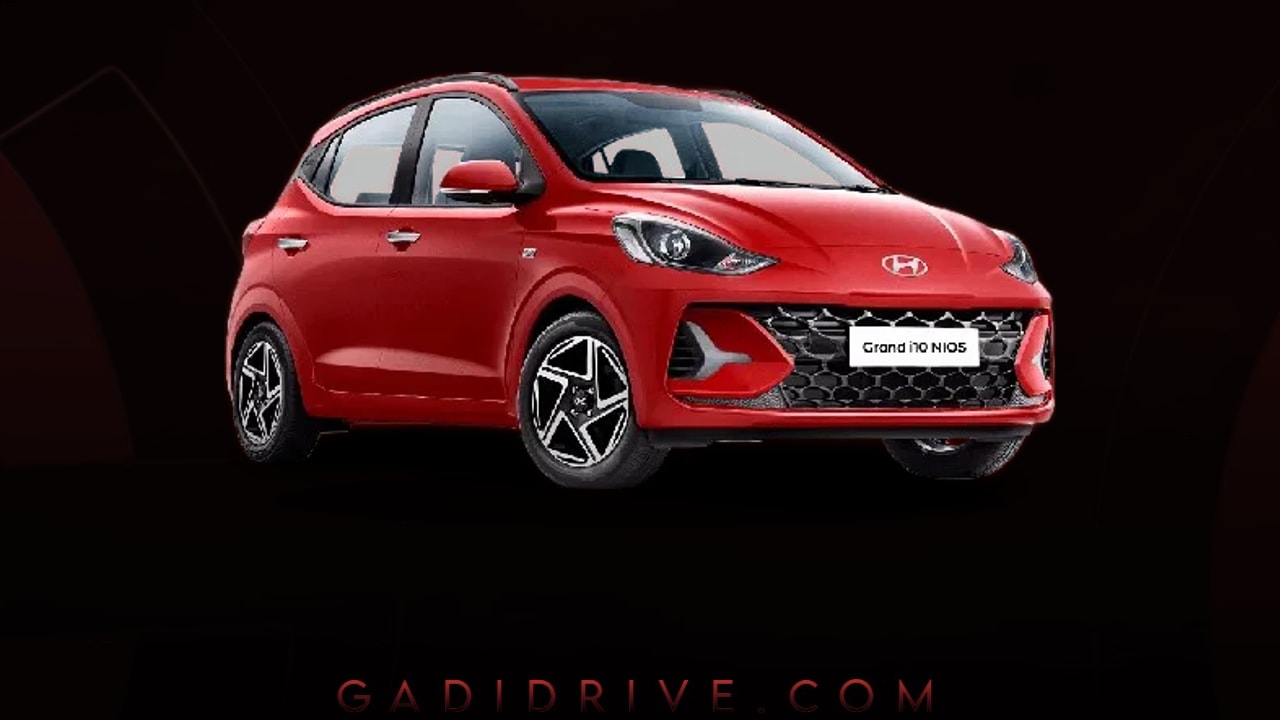
Hyundai Grand i10 Nios
Hyundai

Grand i10 Nios

रु 32,96,000
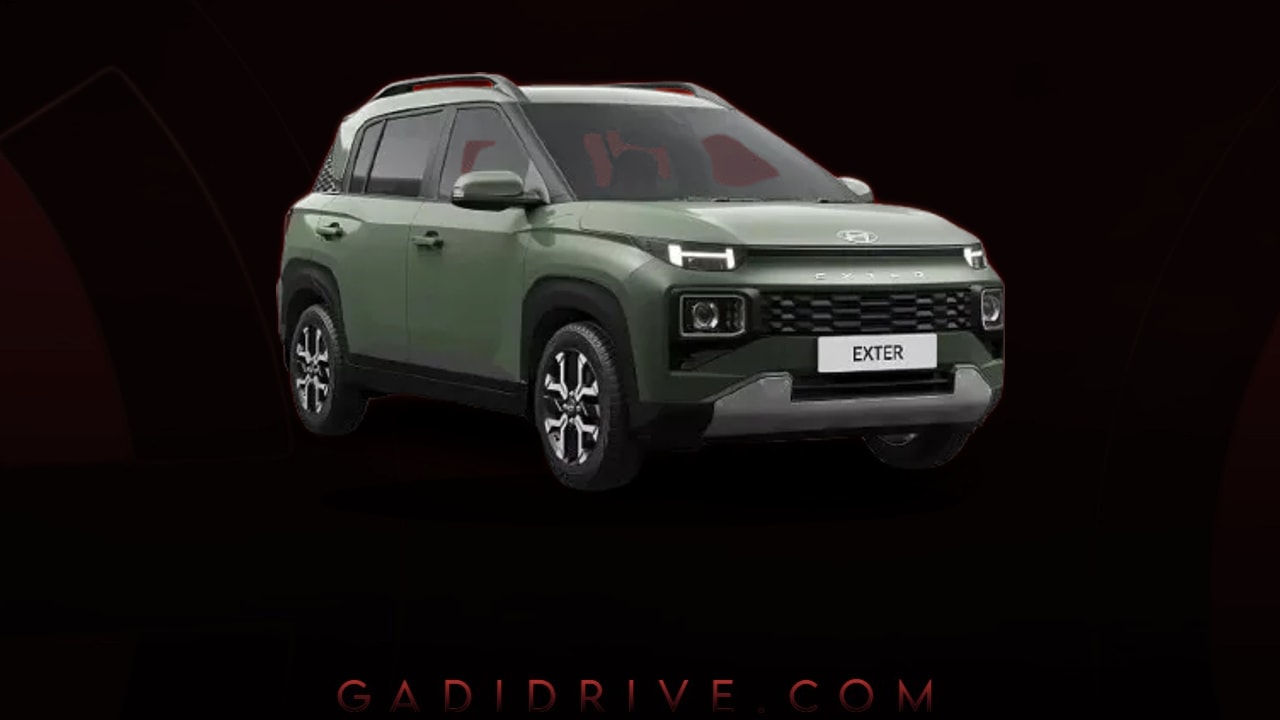
Hyundai Exter
Hyundai

Exter

रु 36,96,000
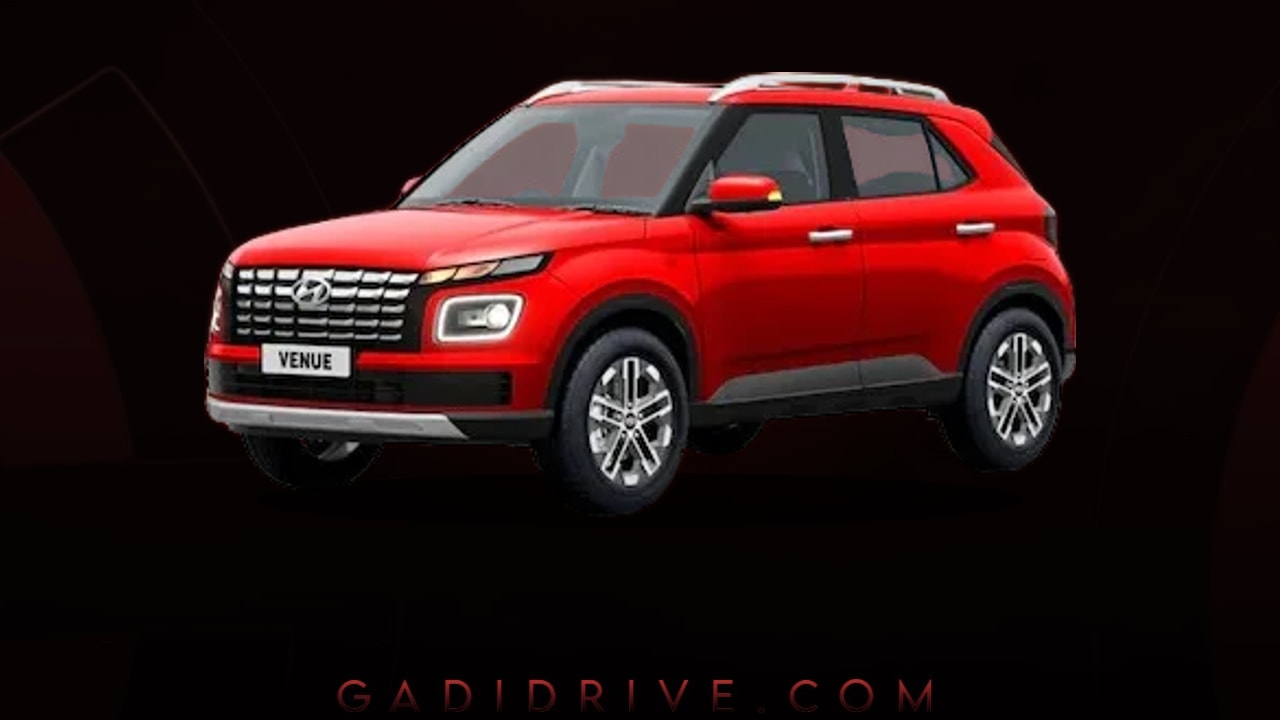
Hyundai Venue
Hyundai

Venue

रु 41,96,000

Similar Models

skywell ET5
skywell

ET5

रु 1,09,00,000
Chery Tiggo 8 Pro
Chery

Tiggo 8 Pro

रु 1,05,00,000
Peugeot e 2008
Peugeot

e 2008

रु 1,05,00,000
Mazda CX 5
Mazda

CX 5

रु 1,05,00,000
Volkswagen Tiguan
Volkswagen

Tiguan

रु 1,11,00,000
Jeep Compass
Jeep

Compass

रु 1,04,00,000
Deepal E07
Deepal

E07

रु 1,03,99,000
Peugeot 2008
Peugeot

2008

रु 1,15,00,000
Lexus LBX
Lexus

LBX

रु 1,15,00,000
Haval H6
Haval

H6

रु 1,16,95,000
Mercedes benz GLA Class
Mercedes benz

GLA Class

रु 1,18,00,000
Mitsubishi Eclipse Cross
Mitsubishi

Eclipse Cross

रु 1,19,00,000