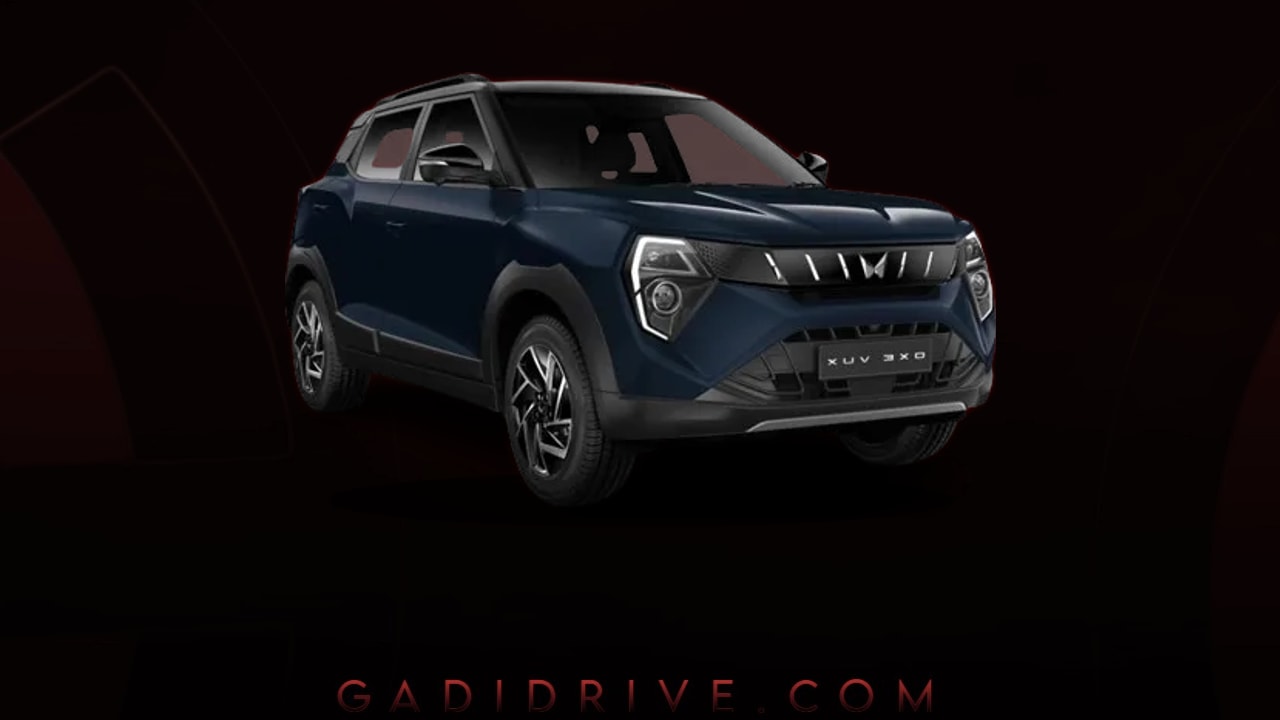
1. Engine Displacement: 1,197 cc (Petrol) / 1,497 cc (Diesel)
The Mahindra XUV300 is powered by two primary internal combustion engines: a 1.2-litre 3-cylinder Turbo Petrol and a 1.5-litre 4-cylinder Turbo Diesel. The petrol unit is a refined mStallion/TCMPFi engine, while the diesel is a high-torque CRDi unit derived from the Marazzo. Both engines are designed for a punchy mid-range, making them highly capable for highway overtaking and city sprints.
2. Max Power: 110 bhp (Petrol) / 115 bhp (Diesel)
Power delivery in the XUV300 is segment-leading for its era. The Petrol variant pushes out 110 bhp at 5,000 rpm, while the Diesel variant offers a robust 115 bhp at 3,750 rpm. This power-to-weight ratio ensures that the vehicle doesn't feel sluggish even with a full load of five passengers.
3. Max Torque: 200 Nm (Petrol) / 300 Nm (Diesel)
Torque is where the XUV300 truly shines. The Diesel engine produces a massive 300 Nm, which was the highest in its segment at launch, providing effortless pulling power. Even the Petrol variant offers a healthy 200 Nm, ensuring smooth acceleration without frequent downshifts.
4. No. of Cylinders: 3 (Petrol) / 4 (Diesel)
The Petrol engine utilizes a 3-cylinder configuration to maximize fuel efficiency and turbocharger response. In contrast, the Diesel engine employs a 4-cylinder layout, which provides better inherent balance and smoother idling characteristics typical of larger displacement diesel units.
5. Valve Train: DOHC
Both engine options utilize a Dual Overhead Camshaft (DOHC) setup with 4 valves per cylinder. This architecture allows for more precise control over valve timing, enhancing the engine's ability to "breathe" at higher RPMs and improving overall volumetric efficiency.
6. Fuel System: MPFI (Petrol) / CRDi (Diesel)
The petrol engine uses a Multi-Point Fuel Injection (MPFI) system with a turbocharger (TCMPFi), while the diesel utilizes Common Rail Direct Injection (CRDi). These systems ensure optimal fuel atomization, leading to better combustion and reduced tailpipe emissions in compliance with BS6 standards.
7. 0-100 km/h Time: ~11.6 to 12.2 Seconds
The XUV300 is one of the quicker sub-compact SUVs in the market. The Diesel manual variant can clock 0-100 km/h in approximately 12.2 seconds, whereas the TGDi petrol variants (TurboSport) are even faster, dipping into the sub-11 second territory.
8. Top Speed: 175 km/h
Aerodynamically limited and electronically governed for safety, the XUV300 reaches a top speed of roughly 175 km/h. Its wide track and long wheelbase provide impressive high-speed stability compared to its taller competitors.