
Performance and Engine
1. Engine Displacement: 2,755 cc
The latest iteration of the Land Cruiser 70 swaps the aging V8 for the highly efficient 1GD-FTV 2.8-litre four-cylinder turbo-diesel engine. This powerplant delivers a maximum power of 201 bhp (150 kW) at 3,000–3,400 rpm and a robust torque of 500 Nm (with the Automatic) or 450 Nm (with the Manual). Despite fewer cylinders, it provides superior low-end grunt and better fuel efficiency than its predecessors. The 0-100 km/h sprint is roughly 12-14 seconds, with a top speed electronically capped at approximately 160 km/h to maintain stability on its heavy-duty chassis.
Transmission and Drivetrain
1. Gearbox Type: 6-Speed Automatic / 5-Speed Manual
Toyota has introduced a 6-speed automatic transmission to the 70 Series for the first time, catering to a broader audience while retaining a 5-speed manual for purists. The drivetrain is a Part-Time 4WD system with a high/low range transfer case. It features a heavy-duty ceramic-facing clutch for the manual variants, designed to withstand extreme outback temperatures and high-torque towing demands.
Dimensions and Weight
1. Ground Clearance: 235 mm
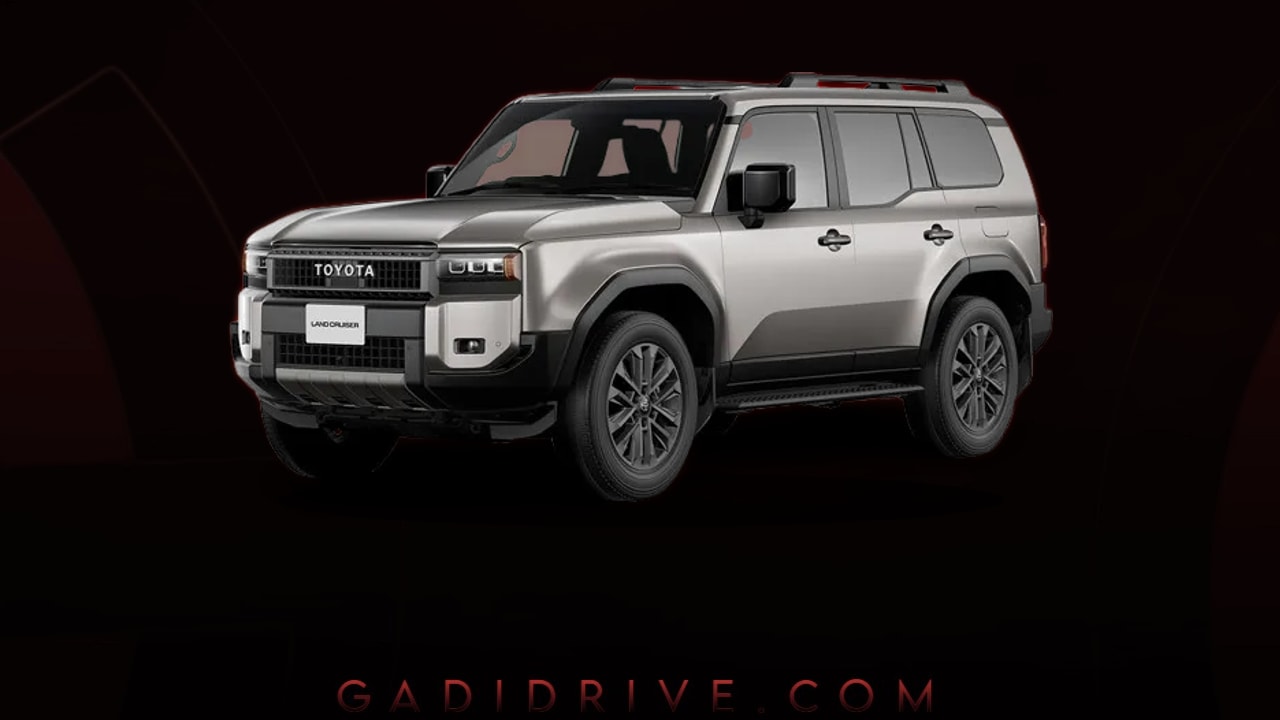
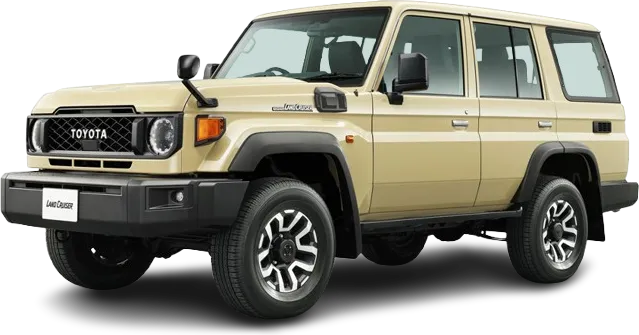
The Land Cruiser 70 (GXL Wagon variant) measures approximately 4,870 mm in length, 1,870 mm in width, and 1,940 mm in height. It sits on a 2,730 mm wheelbase. With a kerb weight ranging from 2,130 kg to 2,350 kg depending on the body style (Single Cab, Double Cab, Troop Carrier, or Wagon), it maintains a turning radius of 6.3m to 7.2m, allowing for surprising maneuverability in technical off-road sections.
Capacities
1. Fuel Tank Capacity: 130 Litres (up to 180L)
Capacity is the LC70's forte. The Wagon and Cab-Chassis models come with a 130-litre main tank, while the "Troopy" (Troop Carrier) often features a massive 180-litre capacity for transcontinental range. Seating capacity varies significantly: 2 seats for the Single Cab, 5 seats for the Double Cab/Wagon, and up to 10 seats in certain Troop Carrier configurations. Boot space in the Wagon is approximately 540 litres with seats up.
Safety and Security
1. NCAP Safety Rating: Silver (ANCAP 2025)
The 2025 model has seen a major safety overhaul. It now features Toyota Safety Sense, including Pre-Collision Systems (AEB), Lane Departure Alert, and Road Sign Assist. Standard security includes 2 to 5 airbags (depending on region), ABS with Electronic Brakeforce Distribution (EBD), and Hill Start Assist. It also features Active Traction Control (A-TRC) to manage wheel spin on slippery surfaces.
Chassis, Suspension and Brakes
1. Suspension: Rigid Live Axle with Coil (Front) / Leaf (Rear)
True to its heritage, the 70 Series utilizes a heavy-duty ladder-frame chassis. The front suspension consists of a rigid live axle with coil springs, while the rear employs semi-elliptic leaf springs for maximum load-carrying capability. Braking is handled by 4-piston ventilated discs at the front and either discs or heavy-duty drums at the rear. It typically rides on 265/70 R16 tyres mounted on rugged alloy or steel wheels.
Interior and Tech
1. Infotainment Size: 6.7-inch Touchscreen
While the exterior remains vintage, the interior has been modernized with a 6.7-inch infotainment system supporting wired Apple CarPlay and Android Auto. The instrument cluster has been updated to include a 4.2-inch digital Multi-Information Display (MID) while retaining the classic analog speedometer and tachometer. Climate control remains a robust manual system, designed to work in the harshest 50°C environments.
Other Data Points
1. Service Intervals: 10,000 km / 6 Months
The Land Cruiser 70 comes with a 5-year/Unlimited km warranty (extendable to 7 years in specific markets like Australia if serviced at Toyota). Service intervals are strictly every 10,000 km or 6 months due to the extreme conditions these vehicles typically face. A unique proprietary technology is the A-pillar mounted Snorkel, provided as standard to ensure the engine breathes clean air in dusty or aquatic environments.