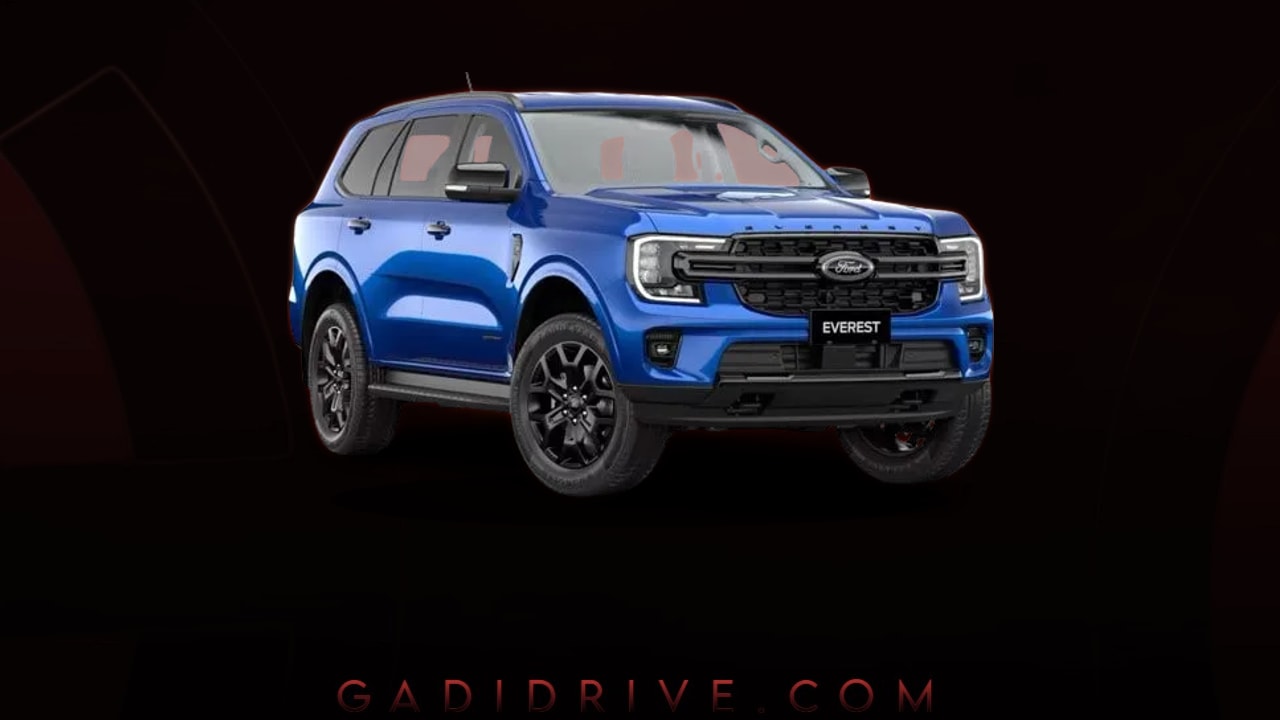
Ford Everest Price in Nepal 2026

Here you will find and get information such as Ford Everest price in Nepal, specifications, ...

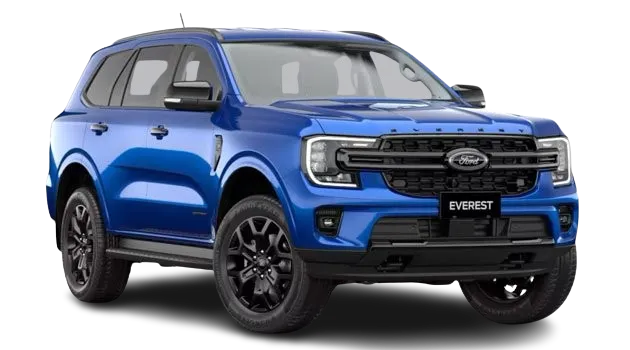
Everest main image

Price

रु 2,45,00,000
Calculate EMI monthly/yearly

Ford Everest Key Specifications in Nepal

Safety Rating 5 / 5
Launch Year 2023
Engine Type ice
Seating Capacity 7 Seater
Displacement 1996 cc
Max Power 210 PS @ 3750 rpm
Max Torque 500 Nm @ 1750-2000 rpm
Transmission 10-Speed Automatic with E-Shifter
Ground Clearance 220 mm
Water Wading 800 mm
Fuel Tank Capacity 80 Liters
Drive System 4WD with Terrain Management System

Ford Everest All Variants & Prices in Nepal

Variant Price (रु)
Titanium+ 4WD
रु 2,45,00,000 Calculate EMI

About Ford Everest in Nepal

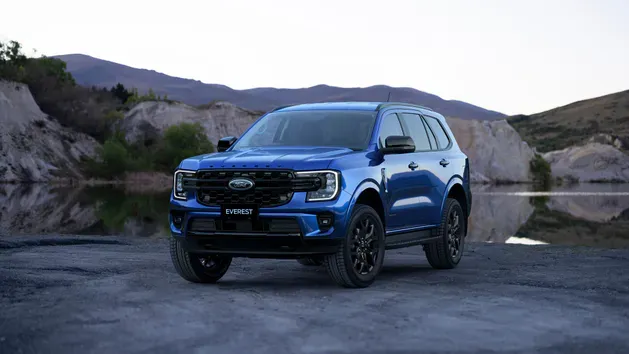
The Next-Generation Ford Everest is a premium 7-seater SUV designed to blend tough off-road capability with refined on-road comfort. Built on a proven high-strength chassis, it offers a sophisticated presence with its signature C-clamp LED headlamps and a bold front grille. In the Nepal market, the Everest competes as a luxury powerhouse, catering to families and adventurers who require a vehicle capable of navigating both the busy streets of Kathmandu and the rugged mountain passes of the Himalayas.

Inside, Everest is a sanctuary of technology and craftsmanship. It features a massive 12-inch portrait-oriented touchscreen equipped with Ford’s SYNC 4A system, providing seamless connectivity and a high-definition 360-degree camera view. With plush leather seating, a dual-panel sunroof, and power-folding third-row seats, it ensures a "first-class" travel experience for all seven occupants while maintaining its reputation as one of the safest SUVs globally with a 5-star ANCAP rating.
About Everest

Ford Everest Full Specifications & Features

Performance and Engine

1. Displacement: 2,993 cc (V6 Diesel)

The 2026 Ford Everest (Platinum/Tremor trims) is powered by a robust 3.0-liter V6 Turbo Diesel engine. This powerplant is designed for effortless towing and long-distance cruising, providing a smooth and refined delivery that smaller four-cylinder engines cannot match. The large displacement ensures the vehicle remains composed even when fully loaded with seven passengers and luggage.

2. Max Power: 247 bhp (184 kW)

Delivering approximately 247 horsepower, the V6 Everest offers class-leading performance for a body-on-frame SUV. This power output allows for confident overtaking on highways and provides the necessary "grunt" for technical off-road climbs. The engine's power delivery is linear, paired perfectly with the 10-speed transmission to keep the vehicle in its optimal power band.

3. Max Torque: 600 Nm

The standout figure for the 2026 Everest is its 600 Nm of torque, available from as low as 1,750 rpm. This massive torque reserve is critical for its 3,500 kg braked towing capacity. Whether pulling a large boat or navigating deep mud, the Everest uses this low-end torque to maintain momentum without stressing the engine.

4. No. of Cylinders: 6 (V-Configuration)

The 3.0L engine utilizes six cylinders in a 'V' layout, which offers inherently better balance and reduced NVH (Noise, Vibration, and Harshness) levels compared to traditional inline-four diesel engines. This configuration contributes to the Everest's reputation as one of the quietest and most "premium-feeling" SUVs in its segment.

5. Valve Train: DOHC (Double Overhead Camshaft)

The engine features a DOHC valve train with 4 valves per cylinder (24 valves total). This setup allows for more precise air-fuel mixing and exhaust scavenging, which is essential for meeting modern Euro 5/6 emission standards while maintaining high performance. It also incorporates variable valve lift technology to optimize efficiency at different speeds.

6. Fuel System: CRDi (Common Rail Direct Injection)

The Everest utilizes a high-pressure Common Rail Direct Injection system. By injecting fuel at extremely high pressures directly into the combustion chamber, the system ensures maximum atomization of the diesel. This results in cleaner combustion, better fuel economy (approx. 8.5L/100km combined), and reduced "diesel clatter" noise.

7. 0-100 km/h Time: 8.2 Seconds

For a vehicle weighing over 2.5 tonnes, the Everest V6 is surprisingly quick, reaching 100 km/h in approximately 8.2 seconds. This acceleration makes it one of the fastest SUVs in its class, easily outpacing rivals like the Toyota Fortuner. The 10-speed gearbox is a key factor here, providing rapid, seamless shifts.

8. Top Speed: 180 km/h (Electronically Limited)

Everest's top speed is electronically capped at 180 km/h. As a high-riding SUV designed for family safety and off-road utility, terminal velocity is not the priority. The limiter ensures the vehicle remains within the safe operating window of its suspension geometry and all-terrain tires.

Transmission & Drivetrain

1. Gearbox Type: 10-Speed SelectShift Automatic

The 10R80 10-speed automatic transmission is a hallmark of Ford’s latest generation trucks. It features real-time adaptive shift scheduling that allows the transmission to adapt to changing conditions. In "Tow/Haul" mode, it holds gears longer to provide engine braking when descending hills with a trailer.

2. Drive Type: Permanent 4WD with Terrain Management

High-spec Everest models feature a permanent four-wheel-drive system using an electronically controlled on-demand transfer case. It includes a "4A" mode for everyday driving on bitumen, which automatically distributes power between the front and rear axles as needed. It also offers dedicated modes for Sand, Mud/Ruts, and Slippery conditions.

3. Clutch Type: Torque Converter with Lock-up

The transmission utilizes a heavy-duty torque converter designed to handle the 600 Nm of torque. It includes a lock-up clutch that engages at higher speeds to eliminate "slip" and improve fuel efficiency on the highway, essentially creating a direct mechanical link between the engine and the wheels.

Dimensions & Weight

1. Length: 4,914 mm

At nearly 5 meters long, the Everest is a large SUV that provides a substantial "road presence." Its length is primarily dedicated to providing three rows of seating and a usable boot. Despite its size, the short front and rear overhangs allow for an impressive approach angle of 30.4 degrees for off-roading.

2. Width: 2,015 mm (Mirrors Folded)

The Everest's width has been increased in the latest generation to provide more shoulder room and a more stable footprint. At over 2 meters wide (mirrors folded), it is one of the wider vehicles in its class, which aids in lateral stability when cornering or navigating off-camber trails.

3. Height: 1,841 mm

With a height of 1.84 meters, the Everest provides a classic "commanding" driving position. It features functional roof rails that can support a static load of up to 350 kg, making it perfect for roof-top tents. The height also ensures ample headroom for passengers in the first and second rows.

4. Wheelbase: 2,900 mm

The 2,900 mm wheelbase is a 50mm increase over the previous generation. This change has pushed the wheels further to the corners, improving stability and creating more room for rear-seat passengers. It also contributes to a smoother ride by better absorbing bumps on corrugated roads.

5. Ground Clearance: 229 mm

Everest boasts an unladen ground clearance of 229 mm. While slightly lower than the Ranger Raptor, it is more than sufficient for most overland trails and deep ruts. It also features a class-leading wading depth of 800 mm, allowing it to cross rivers that would stop most other family SUVs.

6. Kerb Weight: 2,550 kg (Platinum V6)

The high-spec V6 Everest is a heavy machine, with a kerb weight of 2,550 kg. This weight comes from the heavy-duty 4WD hardware, the V6 engine, and the extensive sound-deadening material used to keep the cabin quiet. To manage this weight, Ford uses electric power-assisted steering (EPAS) that makes the vehicle feel light and easy to drive.

7. Turning Radius: 5.9 Meters

Surprisingly, Everest has a relatively tight turning radius of 5.9 meters (11.8m circle), which is better than many pickups. This makes it much more manageable in suburban shopping center car parks and tight U-turns. The steering is light at low speeds and firms up at higher speeds for better control.

Capacities

1. Boot Space: 259 Litres (All 7 Seats Up) / 898 Litres (5 Seats)

With all three rows of seats in use, the Everest provides 259 litres of boot space—enough for a few grocery bags. However, folding the third row flat increases this to 898 litres, and with both rear rows folded, it offers a massive 1,823 litres, creating a flat loading floor large enough for camping gear or large furniture.

2. Fuel Tank Capacity: 80 Litres

The 80-litre fuel tank provides a theoretical range of over 900 km on the highway (based on 7.2L/100km efficiency for the diesel). For serious overlanders, this capacity is often supplemented with aftermarket long-range tanks, but 80L is the standard factory fitment across all 2026 models.

3. Seating Capacity: 7 Persons

Everest is designed as a true 7-seater. Unlike many "5+2" SUVs, the third row in the Everest offers enough legroom (806 mm) for teenagers or smaller adults. Higher trims feature power-folding third-row seats, which can be raised or lowered at the touch of a button from the boot area.

Safety & Security

1. Airbag Count: 9 Airbags

The 2026 Everest features a comprehensive 9-airbag system. This includes the unique "center airbag" between the front seats to prevent occupants from colliding in a side impact. It also features curtain airbags that extend all the way to the third row, ensuring safety for every passenger.

2. ABS with EBD: Yes (with Emergency Brake Assist)

Standard across all trims, the ABS system is complemented by Electronic Brakeforce Distribution and Emergency Brake Assist. This ensures that in a panic-stop situation, the vehicle applies maximum braking pressure even if the driver doesn't press the pedal hard enough, significantly shortening stopping distances.

3. Electronic Stability Control (ESC): Yes (with Trailer Sway Control)

The ESC system in the Everest is highly advanced, featuring Trailer Sway Control. If the system detects the trailer beginning to oscillate, it automatically applies the brakes to individual wheels and reduces engine torque to pull the trailer back into line, making towing much safer.

4. Hill Start Assist: Yes (with Hill Descent Control)

Hill Start Assist prevents the vehicle from rolling back on slopes. Additionally, 4WD models come with Hill Descent Control, which acts as an "off-road cruise control" for steep declines. It allows the driver to set a speed via the steering wheel buttons, and the vehicle manages the braking automatically.

5. ISOFIX: Yes (Standard on Outboard Seats)

The Everest is highly family-oriented, offering ISOFIX anchor points on the second-row outboard seats. Some regions also include top-tether points for the third row, allowing for a variety of child seat configurations. The wide door openings make installing bulky car seats much easier than in smaller crossovers.

6. NCAP Safety Rating: 5-Star (ANCAP/Euro NCAP)

The Ford Everest carries a maximum 5-star ANCAP safety rating. It achieved high scores across all four key areas of assessment: Adult Occupant Protection (86%), Child Occupant Protection (93%), Vulnerable Road User Protection (74%), and Safety Assist (86%).
Chassis, Suspension & Brakes

1. Front/Rear Suspension: Double Wishbone / Watt’s Linkage with Coil Springs

While most SUVs use a simple live axle, the Everest features a sophisticated Watt’s Linkage in the rear. This setup prevents lateral movement of the axle, allowing for much tighter control of the vehicle's body. Combined with coil springs, it provides a ride quality that is far superior to leaf-sprung pickups.

2. Front/Rear Brake Type: 4-Wheel Ventilated Discs

The Everest is equipped with large ventilated disc brakes on both the front and rear axles. These are paired with an electric brake booster, which provides a more consistent pedal feel and faster response times for the Autonomous Emergency Braking (AEB) system.

3. Tyre Size/Wheel Type: 255/55 R20 / 20" Alloy (Platinum)

High-end Everest models like the Platinum come with 20-inch alloy wheels and 255/55 R20 tires. While these look premium, off-road focused trims like the 'Tremor' or 'Ambiente' use 17 or 18-inch wheels with higher-profile tires, which are better suited for airing down on sand or rocky trails.

Interior & Tech

1. Infotainment Size: 12.0-inch Portrait Touchscreen

The cabin is centered around a massive 12.0-inch portrait touchscreen running SYNC 4A. This system allows for split-screen functionality, meaning you can view your navigation map while simultaneously controlling your audio or viewing vehicle pitch and roll angles in the off-road menu.

2. Connectivity: Wireless Apple CarPlay / Android Auto

The Everest offers seamless wireless connectivity for smartphones. It also includes an embedded FordPass Connect modem, which allows owners to use the FordPass app to remotely start the engine, lock/unlock the vehicle, and even check fuel levels or tire pressure from their phone.

3. Instrument Cluster: 12.4-inch Digital Display

The driver’s display is a fully digital 12.4-inch cluster that is highly configurable. It can show everything from traditional tachometers to detailed trip information, navigation instructions, and even specialized gauges for off-roading like differential lock status and wheel articulation.

4. Climate Control: Dual-Zone Electronic Auto with Rear Vents

The Everest features a dual-zone automatic climate control system. Importantly, there are dedicated vents for all three rows of seats, with a separate fan speed controller for the rear passengers. This ensures that even on the hottest days, the entire cabin is cooled quickly and efficiently.

Other Data Points

1. Service Intervals: 15,000 km / 12 Months

Ford maintains a 15,000 km or 12-month service interval for Everest. They also offer a "Capped Price Service" program, which provides transparency on maintenance costs for the first five years of ownership. Regular servicing is vital to maintain the sophisticated V6 and 10-speed gearbox.

2. Warranty: 5 Years / Unlimited KM

Like the Ranger, the Everest comes with a 5-year/unlimited-kilometer warranty. This covers the entire vehicle from bumper to bumper against manufacturing defects. The warranty also includes 24/7 roadside assistance, providing peace of mind for those taking the vehicle on remote adventures.

3. Unique Technology: Active Park Assist 2.0

Higher trims like the Platinum feature Active Park Assist 2.0. This system can find a suitable parking space and then automatically steer, shift gears, and brake to park the vehicle in both parallel and perpendicular spots. The driver simply needs to hold down a button, and the vehicle handles the rest.

Where to Buy Ford Everest in Nepal

GO Ford Nepal Visit Site

Frequently Asked Questions

The starting price of the Ford Everest is रु 2,45,00,000.
The Ford Everest comes with an Ice engine.
The Ford Everest has a seating capacity of 7.
The Displacement of the Ford Everest is 1996 cc.

Ford Everest Review Video

Watch on YouTube

Watch the full in-depth review and road test of the Ford Everest.

More from Ford

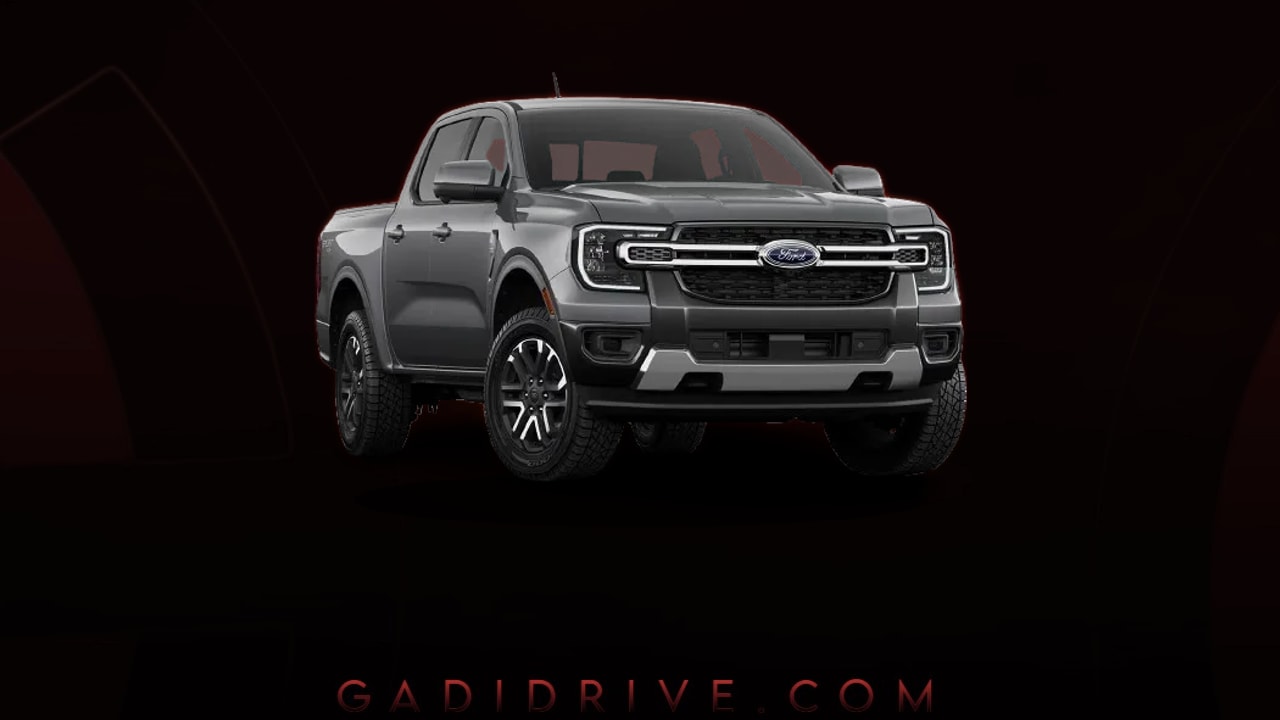
Ford Ranger
Ford

Ranger

रु 1,13,90,000
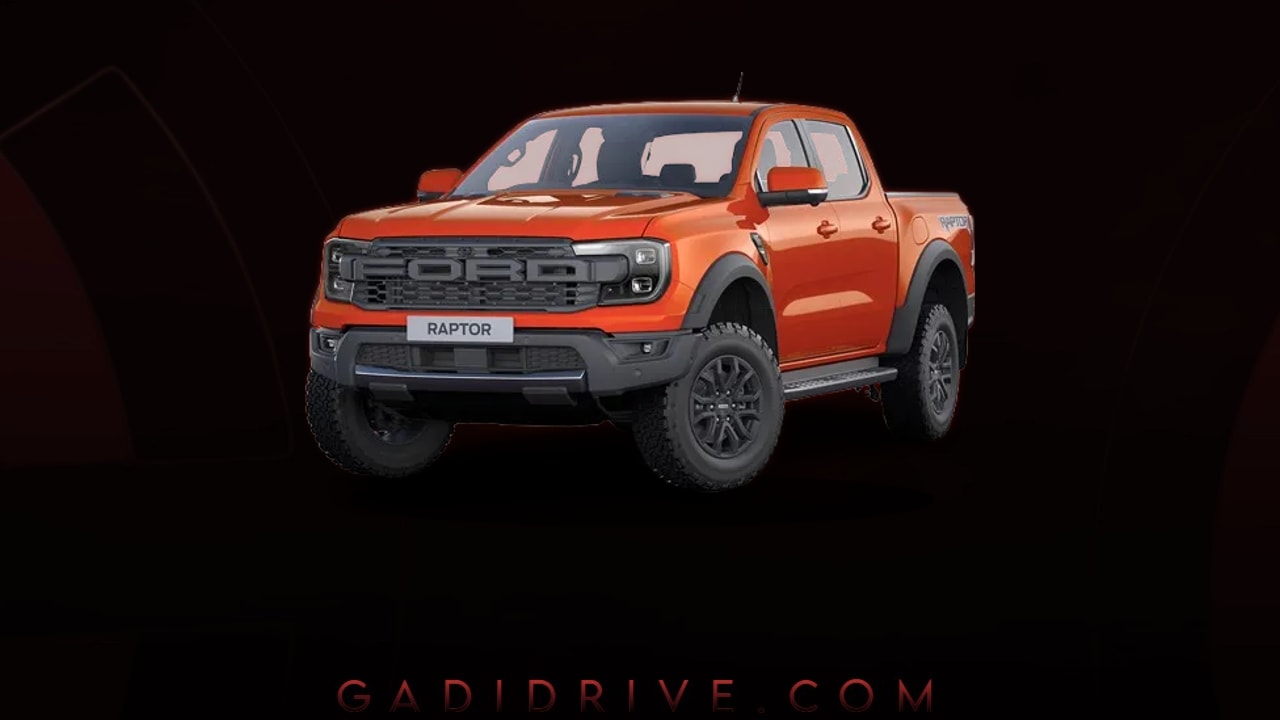
Ford Ranger Raptor
Ford

Ranger Raptor

रु 2,40,00,000

Similar Models

Tesla Model X
Tesla

Model X

रु 2,45,00,000
Mercedes benz GLC Class
Mercedes benz

GLC Class

रु 2,40,00,000
Toyota Land Cruiser 70 Series
Toyota

Land Cruiser 70 Series

रु 2,50,00,000
Jeep Grand Cherokee
Jeep

Grand Cherokee

रु 2,38,00,000
Hyundai Palisade
Hyundai

Palisade

रु 2,35,96,000
BMW X3
BMW

X3

रु 2,59,96,000
Land rover Discovery Sport
Land rover

Discovery Sport

रु 2,30,00,000
BMW iX3
BMW

iX3

रु 2,29,96,000
Jeep Wrangler
Jeep

Wrangler

रु 2,67,00,000
Toyota Fortuner
Toyota

Fortuner

रु 2,70,00,000
Porsche Macan
Porsche

Macan

रु 2,15,00,000
Lexus NX
Lexus

NX

रु 2,15,00,000